

How to Make Viral Videos on Doitong in 15 Minutes (and a Step-by-Step Guide)
When we start creating AI video, it's easy to get caught up in the tool and forget about the viewer. But virality research shows that people don't share the "neural network effect" — they share emotion, identity, and a reason to talk.
Why AI Videos Go Viral
The basic rule of virality is very human: people share what makes them feel something. In the classic study by Jonah Berger and Katherine Milkman from 2012, it was shown that content spreads more often when it evokes high-arousal emotions: surprise, anxiety, delight, or anger. Calm emotions, on the other hand, work less effectively.
A similar conclusion comes from Karen Nelson-Field's research: videos with high emotional activation are shared roughly twice as often as those with low activation, and positive content generally spreads better than negative content. This is important for anyone who wants to create viral AI videos: visual novelty alone guarantees nothing if the video lacks a strong human reaction.

What Exactly Captures the Audience
If we break virality down into understandable elements, four mechanics most often work:
-
surprise,
-
conflict,
-
usefulness,
-
identity.
Surprise creates a "stop-scroll" effect, conflict provokes discussion, usefulness makes the video share-worthy, and identity helps the viewer say: "this is about me."
There's also the factor of emotional contagion. People are more likely to share content that helps them express themselves or strengthen connections with others. So finding a great neural network for video is only half the task; the other half is understanding what emotion and what social signal you're embedding in the video.
How to Make a Viral Video: A Working Structure
A good viral AI video almost always follows a simple formula: emotion + hook + clear story + a repeatable element.
For example, the hook could be: "Watch what your brain does when you put things off until night." It grabs attention because it triggers recognition and mild anxiety: the person immediately understands that they're about to see something about their own habit.
Then the story can be very simple and clear: the hero spends the whole day "not getting anything done," then in the evening suddenly gets it together, turns on super-focus mode, finishes everything in 30 seconds, and finds salvation in a funny, almost absurd ritual. For example, they put on headphones, set a timer, and start working as if this is their last chance to save the world. This is a "about me" story because almost everyone recognizes themselves in it: procrastination, guilt, an attempt to pull it together at the last moment, and hope for a quick internal reboot.
And the repeatable element could be this: every time the hero "turns on the mode," the same phrase appears on screen: "Alright, let's go." Along with it, the same short gesture: he snaps his fingers, and the image sharply changes from chaos to order. Such an element is easy to remember, you want to repeat it, which means it starts working as a meme and helps the video spread even further.
Viral Videos with Voiceover: Why Voice Matters
Videos with narration have a distinct advantage: voiceover helps quickly set the mood and rhythm, which helps retain attention. A voice can add irony, trust, drama, or a sense of personal address — that is, it amplifies the very emotional charge that increases the likelihood of sharing.
For viral videos with voiceover, intonation and tempo are especially important. A delivery that's too flat makes AI content feel lifeless, while expressive voiceover helps the viewer quickly "enter" the video and react to it emotionally.
How to Make a Viral Video in Practice
A good example of a platform designed for generating viral videos is Doitong, which works as an aggregator of popular neural networks on a single platform. The script starts in one workspace — a storyboard: you write your video idea in one line, and AI helps turn it into a full script, then creates a character, assembles the storyboard, and selects prompts for each scene.
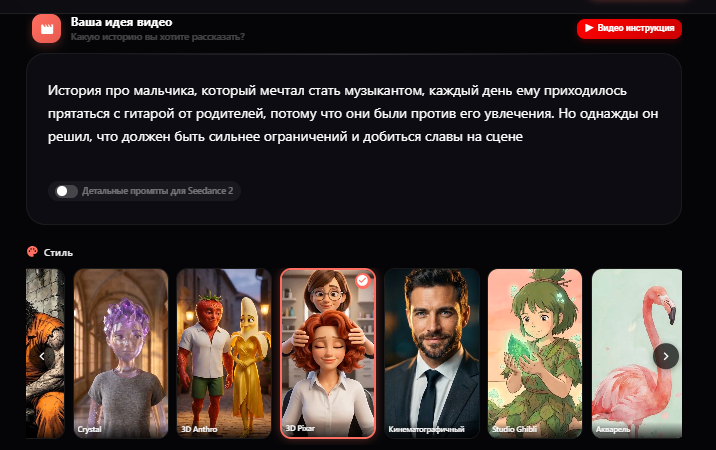
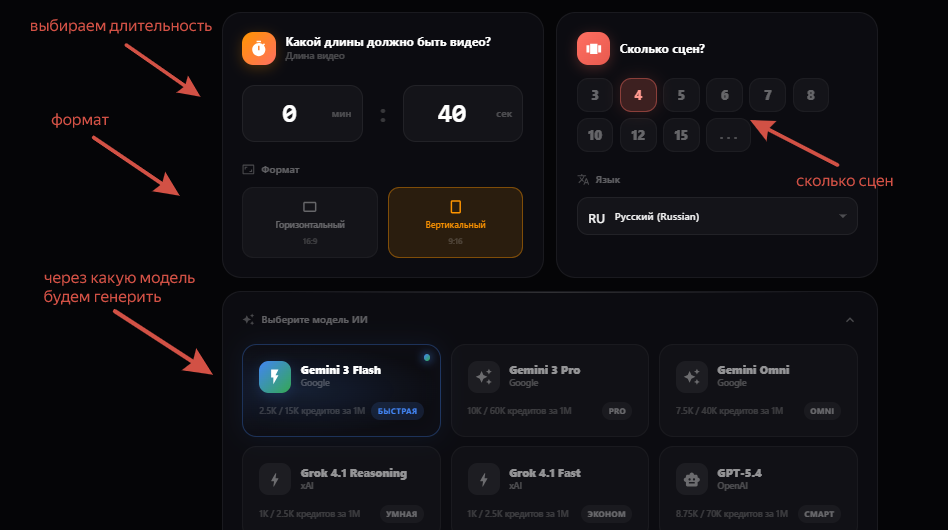
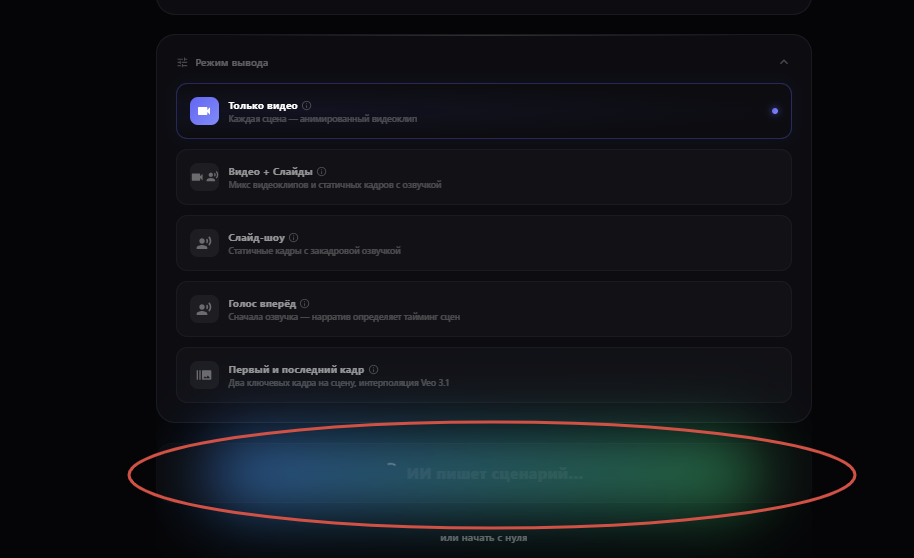
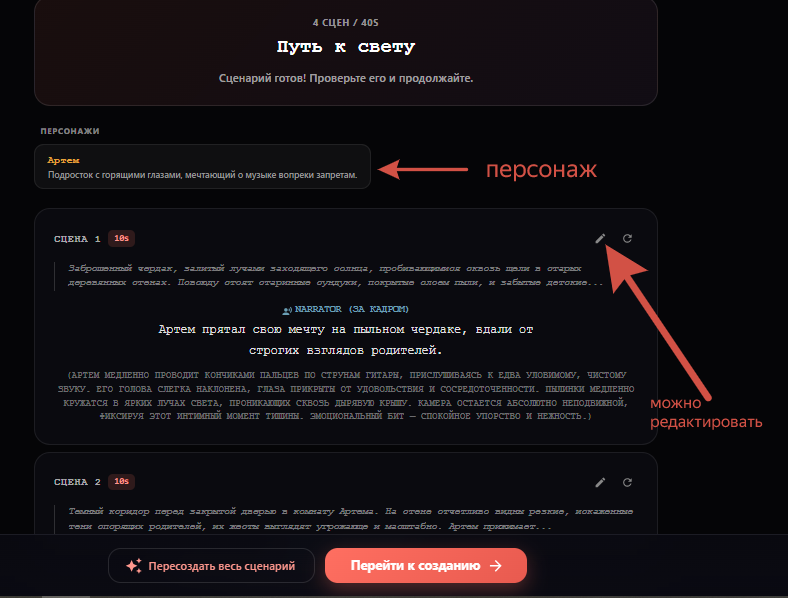
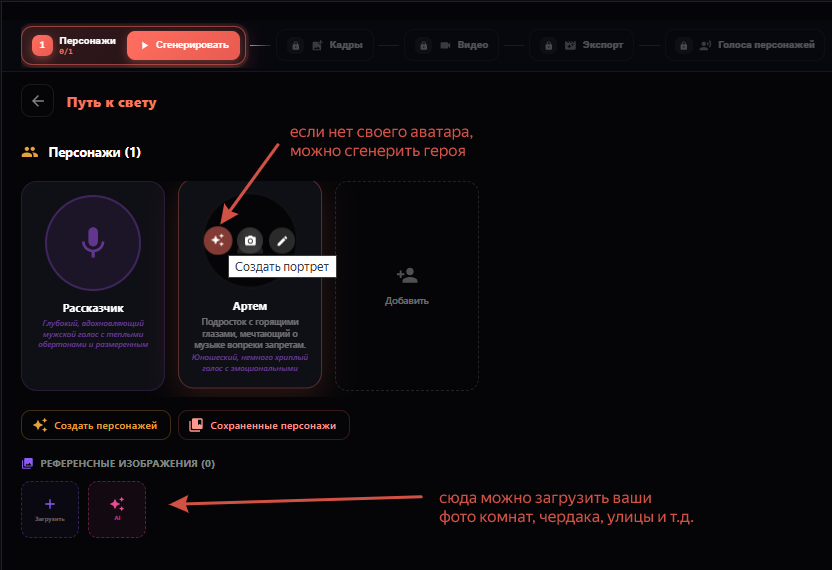
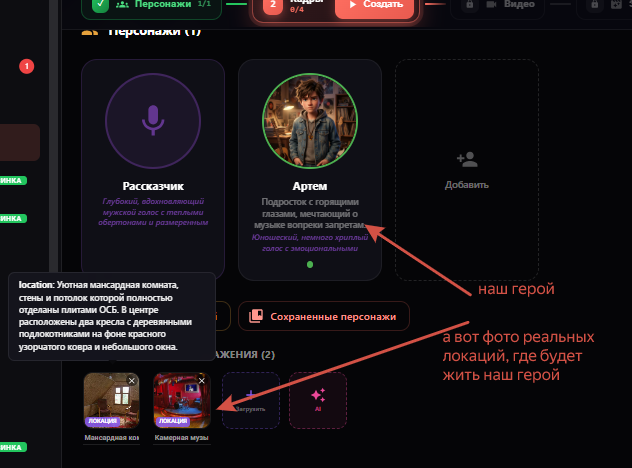
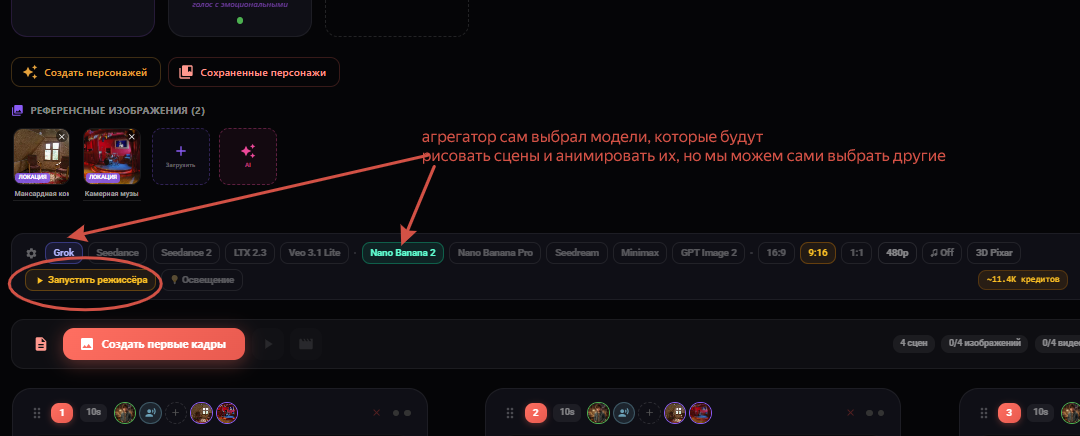
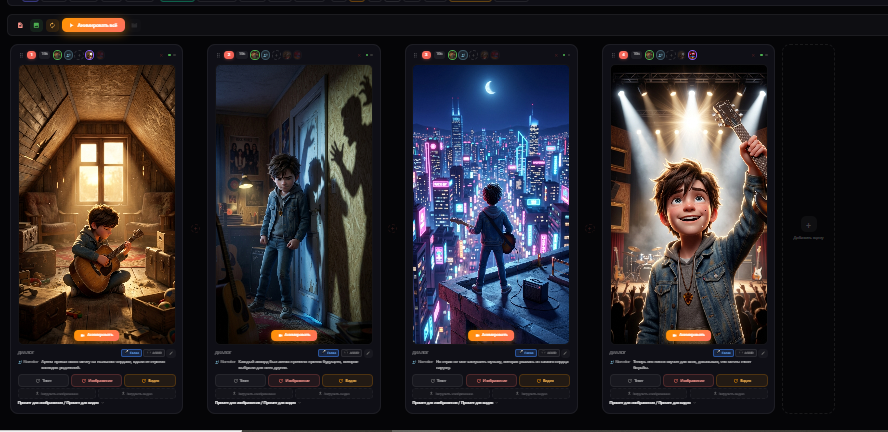
If something doesn't look right in any scene, you can manually edit the prompt, then animate all the scenes and combine them into a single video.
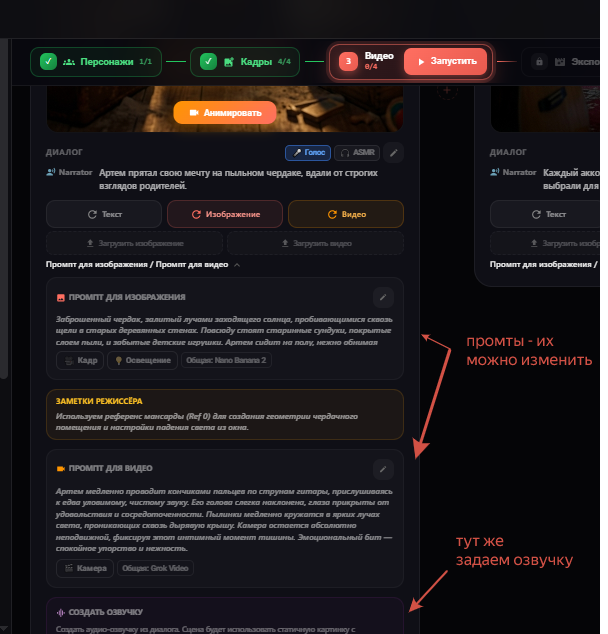
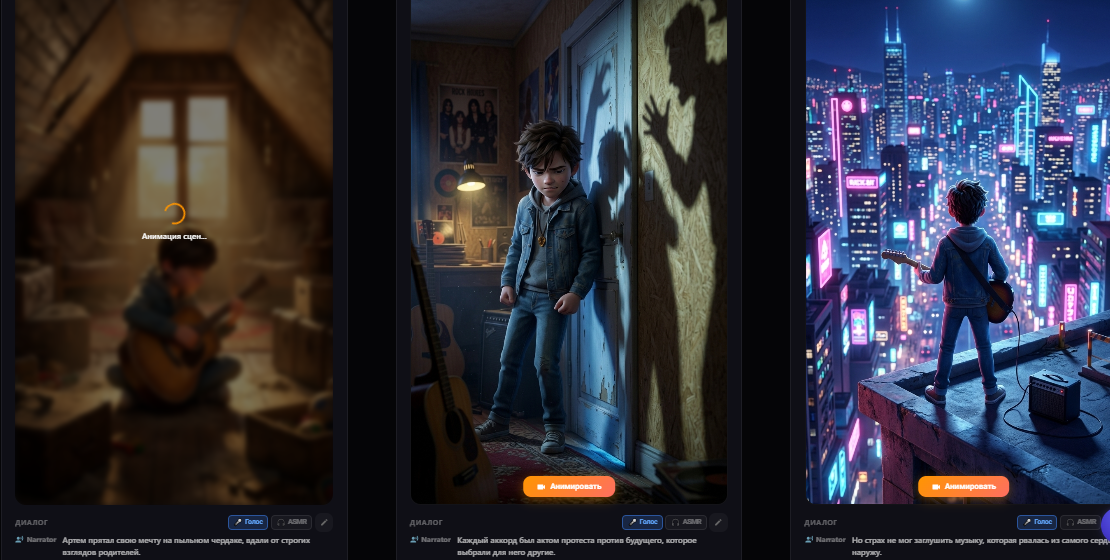
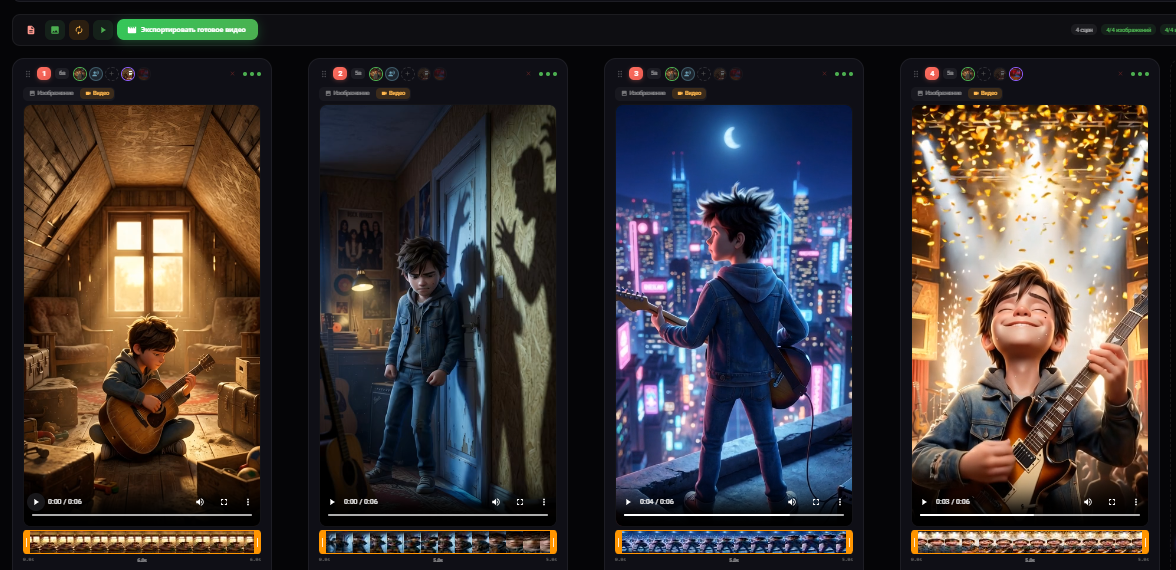
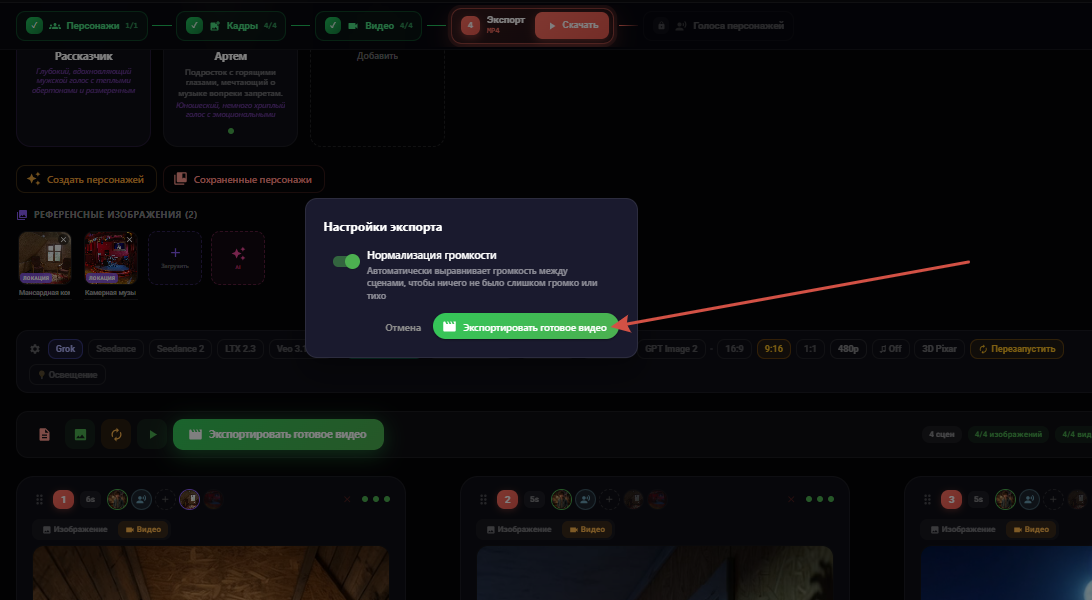
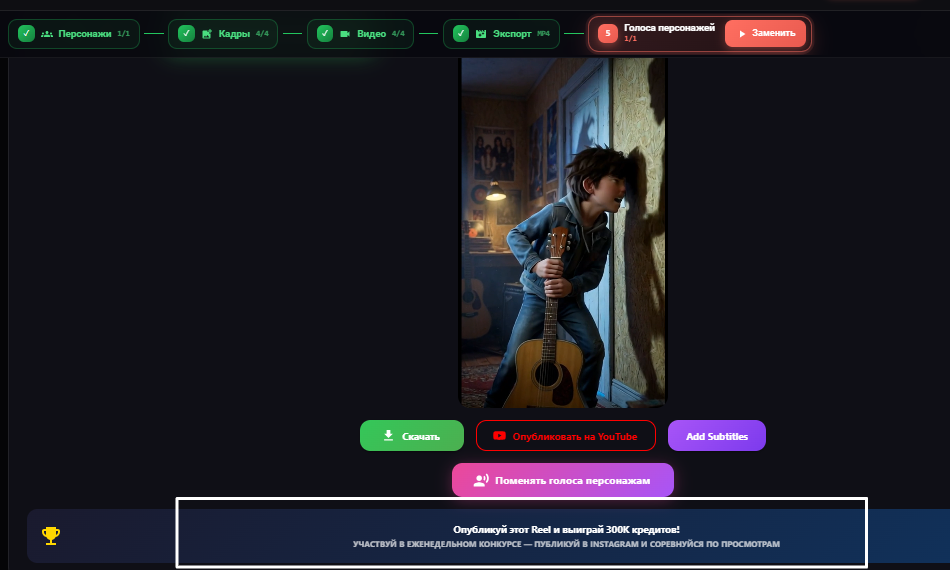
The service offers a free start with test credits, as well as bonuses if your video takes off on social media. So it's convenient to test hypotheses and quickly put together your first viral AI videos without a long learning curve.
Where a Neural Network Aggregator Really Helps
An AI aggregator is useful not even because it creates virality itself, but because it speeds up idea testing. You can quickly change the script, visual style, character, tempo, voice, and editing rhythm until a version emerges that resonates with the audience.
It's precisely here that the logic of "creating AI video" begins to align with a real content marketing strategy: you're not just generating a video — you're searching for the right emotional pattern. In 2025, AI videos became a mass format precisely because with a single prompt you can quickly put together dozens of variations and test what grabs attention best.
If we condense everything into one short formula, it looks like this: a viral AI video is not a demonstration of technology, but a short emotional experience that people want to forward. To create an AI video that helps a business, you need to think not only about the visuals, but first and foremost about what the viewer will feel, who they'll want to show it to, and what element of the video they'll want to repeat.
AI is a powerful accelerator. But virality is still born from human psychology.